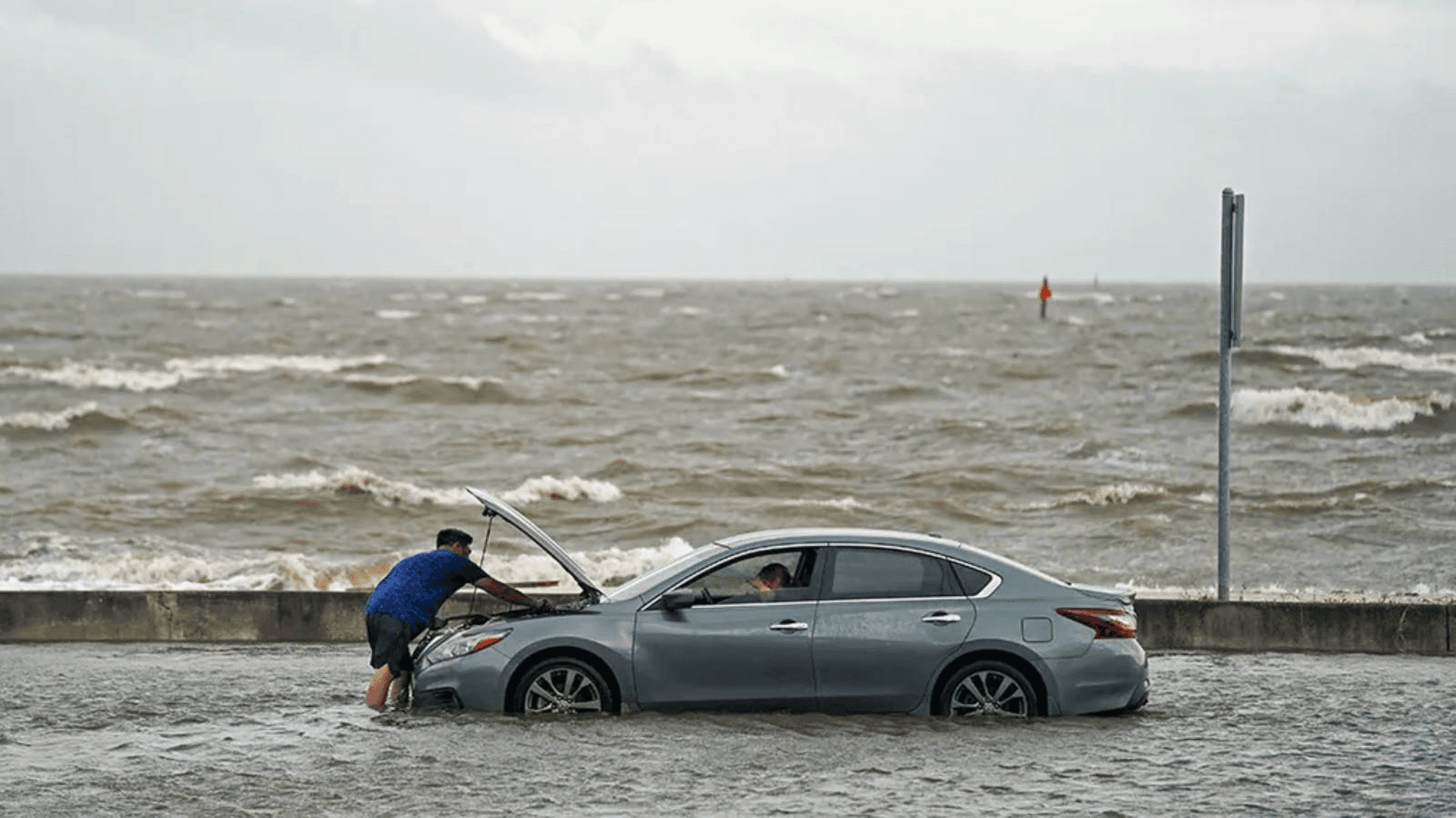
Every year, thousands of flooded cars hit the used market. They look clean on the outside, but inside, corrosion is eating away at the electronics. Buying one of these "ticking time bombs" can cost you thousands in repairs.
Lorem ipsum dolor sit amet, consectetur adipiscing elit. Sed do eiusmod tempor incididunt ut labore et dolore magna aliqua. Ut enim ad minim veniam, quis nostrud exercitation ullamco laboris nisi ut aliquip ex ea commodo consequat. Duis aute irure dolor in reprehenderit in voluptate velit esse cillum dolore eu fugiat nulla pariatur.
1. The Smell Test (And The Cover-Up)
The first sign is often the smell. Does the car smell like mildew? Or, suspiciously, does it smell too much like air freshener? Dealers often use heavy scents to mask the odor of mold.
Excepteur sint occaecat cupidatat non proident, sunt in culpa qui officia deserunt mollit anim id est laborum. Sed ut perspiciatis unde omnis iste natus error sit voluptatem accusantium doloremque laudantium.
"If a 10-year-old car has brand new carpets, that's a red flag. Why would someone replace the entire flooring unless it was ruined?"
Nemo enim ipsam voluptatem quia voluptas sit aspernatur aut odit aut fugit, sed quia consequuntur magni dolores eos qui ratione voluptatem sequi nesciunt. Neque porro quisquam est, qui dolorem ipsum quia dolor sit amet.
2. Look for Rust in Odd Places
Surface rust on the undercarriage is normal for older cars in snowy states. However, rust on the dashboard brackets, under the seats, or on the screws in the console is NOT normal.
- Check the seat tracks for rust.
- Look at the exposed screws under the dashboard.
- Inspect the door hinges and latch mechanisms.
At vero eos et accusamus et iusto odio dignissimos ducimus qui blanditiis praesentium voluptatum deleniti atque corrupti quos dolores et quas molestias excepturi sint occaecati cupiditate non provident.
3. The Foggy Headlights Trick
Water often gets trapped inside headlights and taillights. If you see condensation inside the lens, it means the car was submerged deep enough to compromise the seals.
Similique sunt in culpa qui officia deserunt mollitia animi, id est laborum et dolorum fuga. Et harum quidem rerum facilis est et expedita distinctio. Nam libero tempore, cum soluta nobis est eligendi optio cumque nihil impedit quo minus id quod maxime placeat facere possimus.
4. Check the Electronics
Flood cars often have electrical gremlins. Turn on the radio, test the windows, check the wipers. If multiple systems are glitchy, run away.
Temporibus autem quibusdam et aut officiis debitis aut rerum necessitatibus saepe eveniet ut et voluptates repudiandae sint et molestiae non recusandae. Itaque earum rerum hic tenetur a sapiente delectus.
5. The Ultimate Proof: Vehicle History
The easiest way to spot a flood car is to check its history. Insurance companies report total losses due to flood damage. A simple VIN check can reveal if the car was titled as "Salvage" or "Flood" in another state.
Ut aut reiciendis voluptatibus maiores alias consequatur aut perferendis doloribus asperiores repellat.